
Underlying Issue:
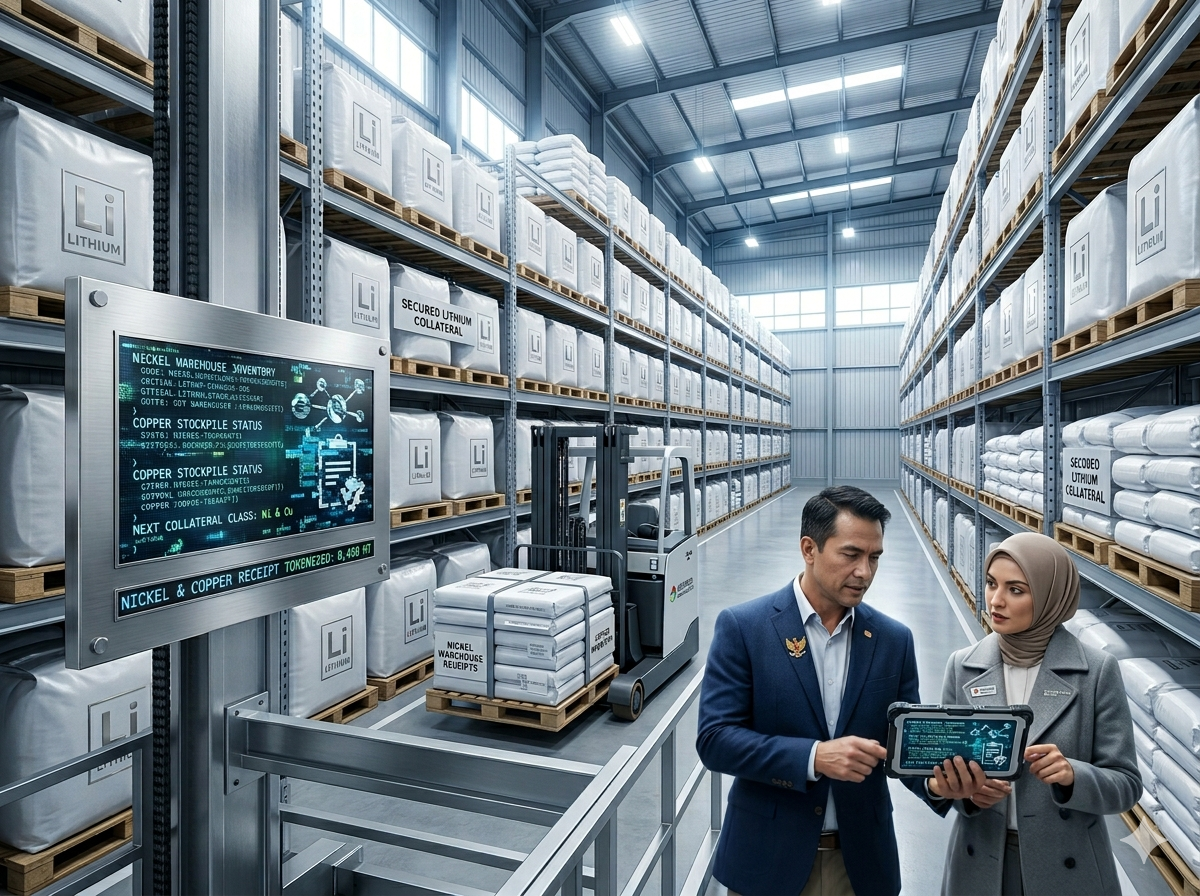
Following Chile’s success with tokenized lithium receipts, Indonesia has launched a similar system for nickel and copper. Indonesia produces 50% of the world’s nickel and is the third-largest copper miner. But unlike lithium (used directly in batteries), nickel and copper have existing London Metal Exchange (LME) warrant systems. Indonesia’s innovation is not tokenization per se but collateral differentiation: Indonesian nickel that is smelted using renewable energy (hydropower from Borneo) receives a “green nickel” token that trades at a 15% premium to LME nickel and can be used as collateral for green bonds. The underlying issue is that global manufacturers (Tesla, VW, Apple) are desperate to lower Scope 3 emissions and will pay a premium for traceable, low-carbon nickel. Indonesia is monetizing that premium via collateralized lending.
Analysis:
The mechanism builds on Chile’s LiToken but adds a carbon accounting layer. Each Indonesian nickel token contains a digital passport with the smelter’s energy source (hydro, coal, or mixed), verified by a third party (SGS or DNV). A “green nickel” token (100% hydro) is accepted as collateral by green bond issuers at a 70% loan-to-value ratio; “brown nickel” (coal-powered) is accepted at 40%. The interest rate on the loan is also differentiated: green nickel collateral pays SOFR + 200 bps; brown nickel pays SOFR + 500 bps. In March 2026, the first green nickel-collateralized bond was issued by PT Indonesia Asahan Aluminium (Inalum), raising $800 million at 4.8%—250 bps below the sovereign yield. The bond was 4x oversubscribed. The takeaway: environmental attributes are now material collateral factors, not just marketing.
Critique:
Progressives have long argued that commodity collateralization benefits miners at the expense of local communities. Indonesia’s nickel mining has caused deforestation and water pollution in Sulawesi and Maluku. A green nickel token that ignores these externalities is greenwashing. The critique is that the carbon attribute (renewable energy) is only one dimension of sustainability. A truly progressive collateral standard would require a “community impact score” that includes water usage, biodiversity loss, and indigenous land rights. Without that, the system rewards miners who switch to hydro power (often by displacing villages for dams) while ignoring other harms. The Indonesian government has resisted such scoring, fearing it would reduce collateral values.
Capitalization Perspective:
The green nickel premium is a quality arbitrage. First, establish a physical warehousing and tokenization facility in Indonesia’s Morowali Industrial Park. You buy nickel matte from local miners, contract with a hydro-powered smelter, obtain green nickel tokens, and collateralize them with a European bank. The spread between the cost of green nickel production ($12,000/ton) and the collateralized loan value ($16,000/ton at 70% LTV on a $22,000/ton price) yields 33% gross margin. Second, create a “green nickel ETF” that holds only hydro-smelted nickel tokens and lends them to manufacturers. The ETF yields 8–10% from lending fees plus 5–7% price appreciation from the green premium. Third, short brown nickel futures on the LME while going long green nickel tokens—a pairs trade that captures the 15% premium convergence as more manufacturers demand green inputs. Progressive angle: embed a “community royalty” into your tokenization facility: $10 per ton of nickel automatically goes to a local reforestation fund. You still capture the premium, but you help remediate the damage your supply chain causes.